 S-Mark & Fabricante de RCBO KEMA | ZHISHUN ELECTRICTRIC

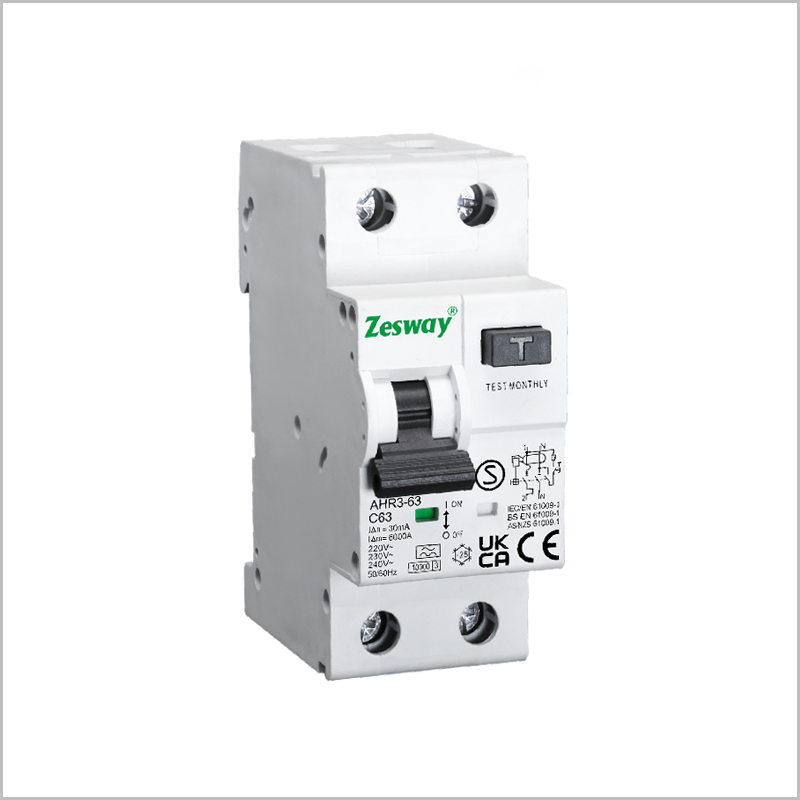
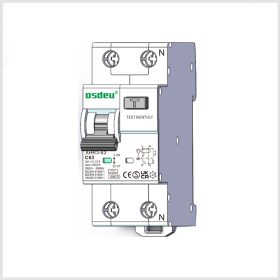
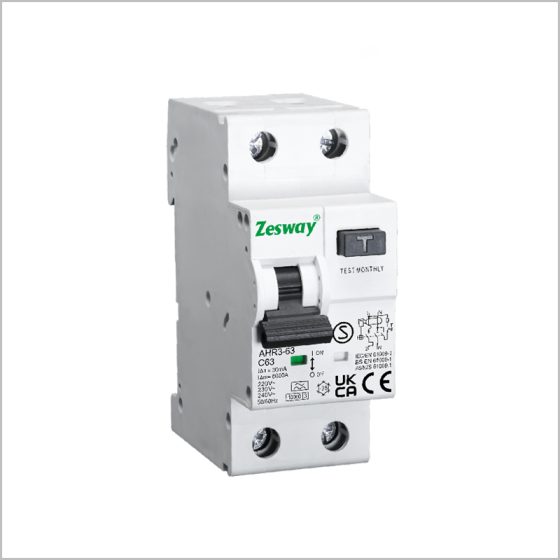
Introduction:AHR3-63 Type A RCBO - Smart Protection for EV Chargers & Modern Homes (6A-63A, 30mA-300mA)
Next-Gen Electrical Safety for DC-Sensitive Installations
As modern homes increasingly adopt EV chargers, solar systems, and smart appliances, the risk of DC fault currents grows.
The AHR3-63 Type A RCBO delivers advanced protection by detecting both AC and pulsating DC leakage currents - making it
the ideal choice for EV charging stations, PME systems, and PEN fault protection.Key Benefits for Your Electrical System:✔ Type A Detection - Safeguards against dangerous DC leakage from EV chargers & electronics
✔ Dual Protection - Combines 30mA-300mA earth leakage (RCD) + sobrecarga/curto-circuito (MCB) protection
✔ EV Charger Ready - Complies with IEC 60364-7-722 for electric vehicle installations
✔ Wide Current Range - 6A to 63A versions for everything from lighting to high-power equipment
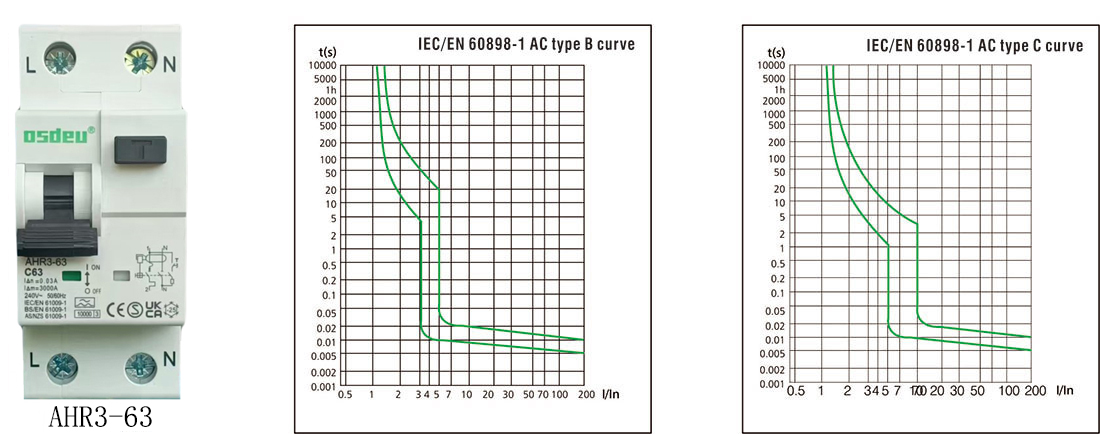
✔ B & C Tripping Curves - B Curve (3-5x) for homes | C Curve (5-10x) for commercial use
✔ Compact Design - Saves space vs separate RCD+MCB installations
Why Type A RCBOs Are Essential TodayModern electrical systems face new risks:• EV chargers create pulsating DC currents that standard Type AC devices can't detect
• Solar inverters and variable-speed drives generate DC components
• Smart home devices increase electronic load complexity
The AHR3-63 Type A RCBO solves these challenges by:
• Detecting AC + DC pulsante (6mA+)
• Providing instant disconnection (<0.1s at 30mA)
• Offering true double-pole switching (L+N isolation)
Aplicações Ideais:🔌 EV Charging Stations – Meets all regulatory requirements
🏠 Modern Homes – Protects smart appliances & electronics
☀️ Solar Installations – Handles DC components safely
🏢 Commercial Buildings – C Curve handles motor loads
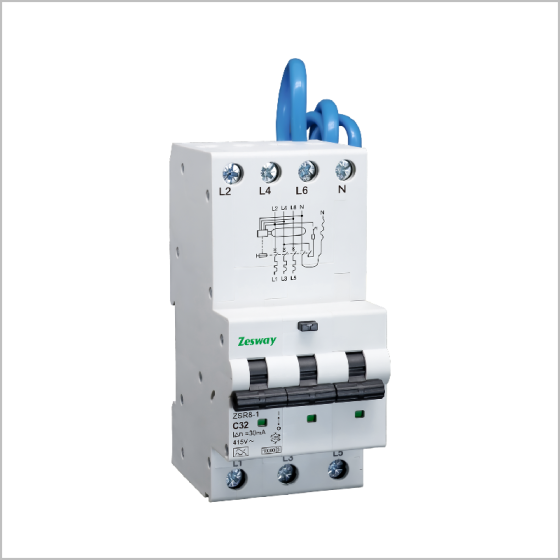
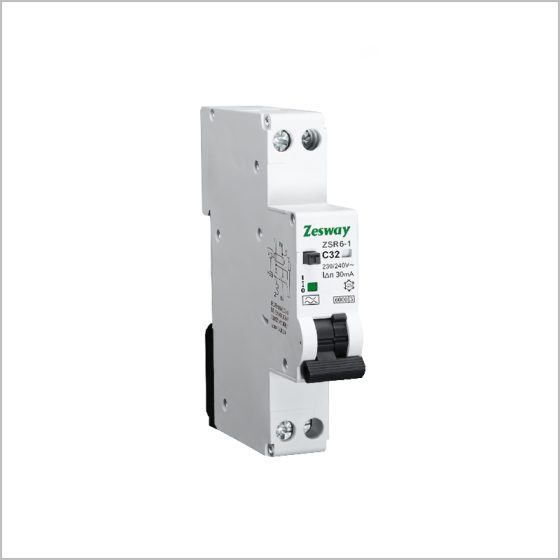
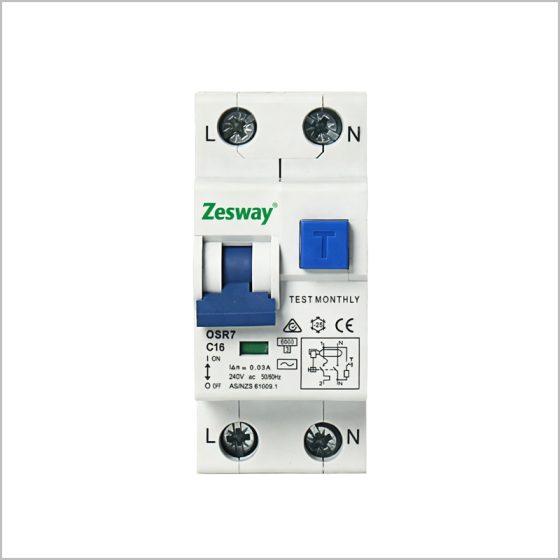
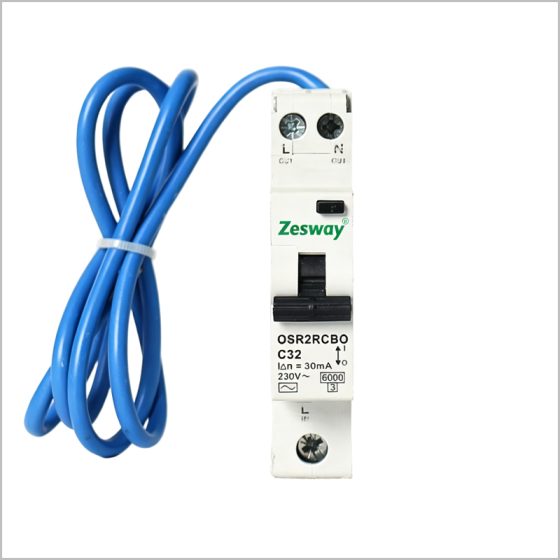
Product Description:
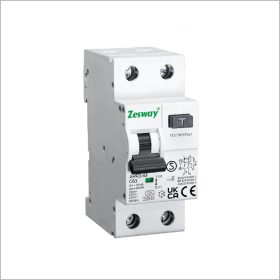 Principais Características & Benefícios
✅ Electromagnetic Type – Reliable operation without electronic components
✅ Proteção Dupla – RCD (30mA-300mA) + MCB (sobrecarga/curto-circuito) in one unit
✅ Type A Detection – Essential for EV chargers (detects pulsating DC currents)
✅ 10Capacidade de Corte kA – Handles high fault currents safely
✅ B/C Tripping Curves – B Curve for homes, C Curve for commercial applications
✅ True Double-Pole Disconnection – Isolates both Live & Neutral conductors
✅ Instalação fácil – Top/bottom wiring, 35mm DIN rail mounting
✅ Neutral Switching – Reduces installation and testing time
AHR3-63 RCBO Technical Specifications| Categoria | Parâmetro | Especificação |
|---|---|---|
| Norma | Compliance | IEC 61009-1, EN 61009-1 |
| Electrical | Rated Current (In) | 6,10,16,20,25,32,40,50,63A |
| Type | Electromagnética | |
| Leakage Detection Type | Type A or AC | |
| Poles | 2 Pólo (1P+N) | |
| Tensão Nominal (Ue) | 230/240V | |
| Sensitivity (IΔn) | 30mA,100mA,300mA | |
| Insulation Voltage (Ui) | 500V | |
| Frequency | 50/60Hz | |
| Breaking Capacity | 10kA | |
| Impulse Withstand Voltage | 6kV (1.2/50μs) | |
| Tripping Time | ≤0.1s at IΔn | |
| Pollution Degree | 2 | |
| Tripping Characteristic | B, C Curve | |
| Mechanical | Electrical Life | 2,000 Operações |
| Mechanical Life | 10,000 Operações | |
| Contact Indicator | Yes (Green=OFF, Red=ON) | |
| Protection Degree | IP20 | |
| Reference Temperature | 30°C | |
| Temperatura de Operação | -5°C a +40°C | |
| Temperatura de Armazenamento | -25°C a +70°C | |
| Instalação | Tipo de Terminal | Cable/U-type/Pin-type busbar |
| Tamanho do Cabo (Topo/Fundo) | 25mm² / 18-3 AWG | |
| Tamanho da Barra Coletora (Topo/Fundo) | 10mm² / 18-8 AWG | |
| Torque de Aperto | 2.5N·m (22 lb-pol) | |
| Montagem | 35mm DIN Rail (EN 60715) | |
| Connection Direction | Top or Bottom |
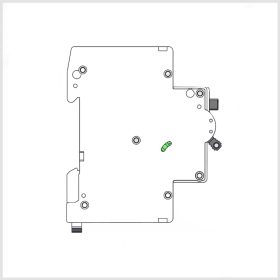
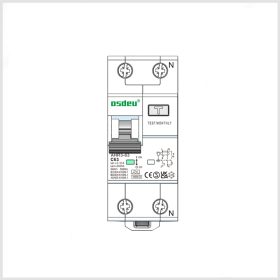
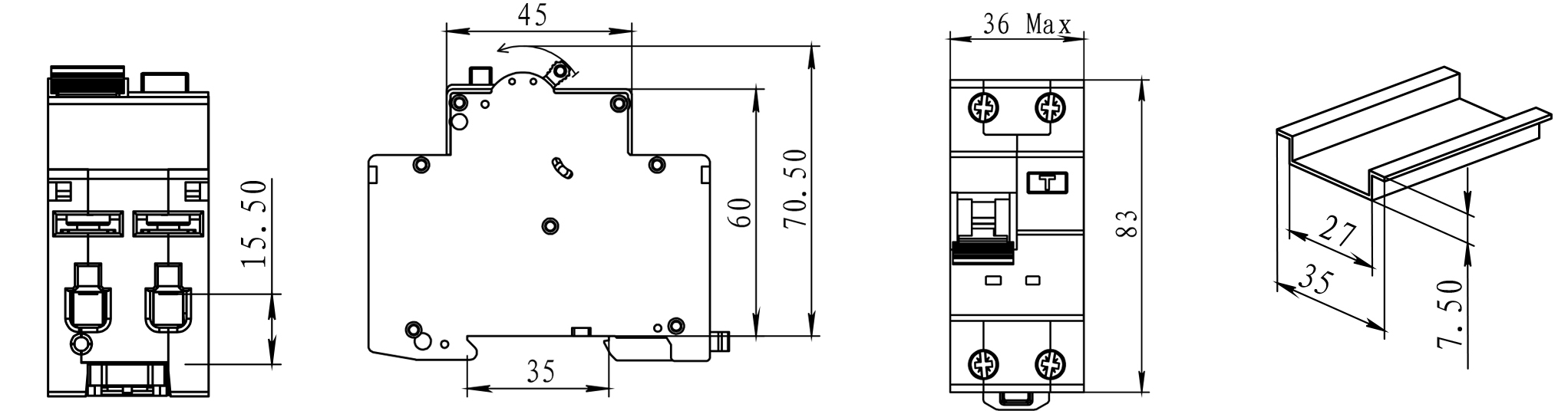
 AHR3-63 Dimensions
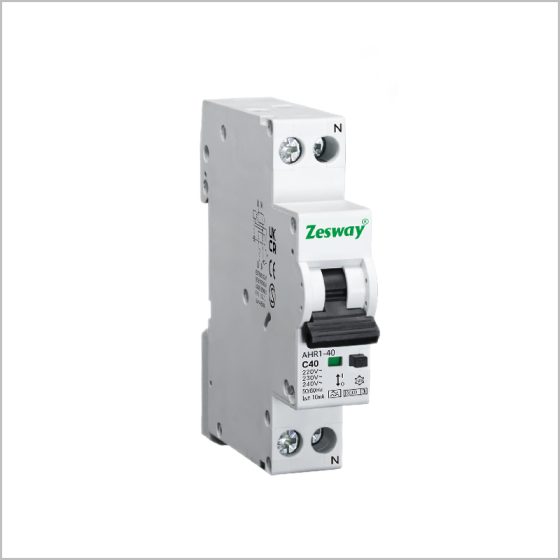
EV Charger RCD Requirements: Complete Guide for Safe Installation

Do EV Chargers Need RCD Protection?

✅ Yes! According to Regulation 722.531.3, all electric vehicle chargers must be protected by:
• A 30mA RCD (Residual Current Device)
• Full disconnection of both Live & Neutral conductors
⚠️ Single-pole RCBOs are NOT suitable for EV charger installations
Understanding RDC-DD in EV Chargers

What is RDC-DD?

RDC-DD (Residual Direct Current - Disconnecting Device) is:
• Built into many modern EV chargers
• Monitors DC leakage currents on the AC side
• Automatically disconnects if dangerous DC levels are detected
Choosing the Right RCD for Your EV Charger

Option 1: EV Charger WITHOUT RDC-DD

🔹 Required RCD: Tipo B
🔹 Why? Type B detects:
• AC leakage (standard)
• Smooth DC faults (which Type A cannot detect)
Option 2: EV Charger WITH RDC-DD (6mA detection)

🔹 Required RCD: Tipo A (most cost-effective)
🔹 Why?
• Type A works safely with ≤6mA DC leakage (RDC-DD handles higher DC faults)
• Most EV chargers now include RDC-DD, making Type A the standard choice
⚠️ Warning:
• If DC leakage exceeds 6mA, a Type A RCD may fail to trip
• Never use Type AC – it cannot detect DC faults at all!
RCD Installation Best Practices

Where to Install?

✔ Consumer Unit (Preferred) – Ensures full circuit protection
✔ Close to EV Charger (Alternative) – Required if no space in main panel

Critical Check!

🔎 Existing RCD Type?
• Older installations may use Type AC RCDs
• If the EV charger shares a circuit with Type AC:
  ο DC leakage could "blind" the RCD
  ο Other circuits lose protection
  ο Risk of electric shock or fire
💡 Solution:
• Upgrade to Type A/B for EV circuits
• Separate circuit for EV charger recommended
Key Takeaways for EV Charger Safety| Scenario | Correct RCD Type | Notes |
|---|---|---|
| No RDC-DD | Tipo B | Mandatory for DC fault protection |
| With RDC-DD (6mA) | Tipo A | Most common & cost-effective |
| Old Installations | Check Type! | Replace Type AC with Type A/B |
Why This Matters?⚡ Prevents electric shocks (30mA protection)
🔥 Reduces fire risks (DC fault detection)
🚗 Ensures safe EV charging (compliance with IEC 60364)Need help choosing the right RCD? Consult a certified electrician for safe EV charger installation!



WeChat
Digitalize o Código QR com o WeChat